
Clothes Dryers - Leading Cause Of House Fires
Healthy Home Tips: We are helping our customers by creating safety awareness. According to the National Fire Protection Association, clothes dryers are one of the leading causes of home fires every year.
Not checking and cleaning out your dryer vent can create a dangerous situation. Regular cleaning and maintenance can protect your family and your home investment and help avoid tragic loss.
Reduce your risk by following these easy dryer vent maintenance tips!

Clean Your Dryer Vent
Over 15,000 house fires happen every year due to clothes dryer fires. Debris can build up in your dryer vent and reduce air flow to the dryer. A reduction in air flow can cause the clothes in the dryer to overheat and ignite. Experts suggest that the primary cause of clothes dryer fires is failure to clean and maintain them. You should clean your dryer annually and perform inspections of the hose and vent for any blockages twice a year.
Indication that it's time to clean your dryer vent:
- Clothing do not dry completely after drying cycle
- Drying time for clothing takes longer than normal
- Musty odor in the clothing after drying cycle
- Clothing are unusually hot to the touch after drying cycle
- Notice debris outside the dryer vent opening
- Room where dryer is located becomes excessively hot while in operation
- Excessive amount of lint in lint-trap during dryer operation
- Excessive odor from dryer sheets during dryer operation
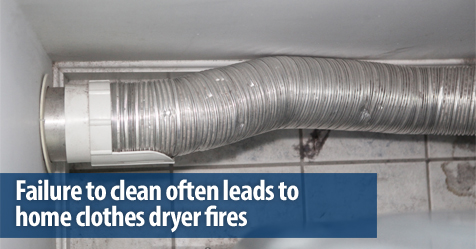
Cleaning Your Dryer Vent
Failure to clean often leads to home clothes dryer fires!
- Remove accumulated lint from the exhaust duct at the back of the dryer.
- Use a long-handled brush to clear the vent that leads outside.
Tips to decrease debris
- Limit the use of dryer sheets used when drying clothing.
- Instead of dryer sheets, use liquid fabric softener.
- Only operate clothing dryers for intervals of 30 to 40 minutes per load of laundry to allow more air circulation within the dryer.
- Do not use the dryer without a lint filter.
- Clean the lint filter before and after each cycle.
- Check the venting system behind the dryer to make sure that it is not damaged, crushed, or restriction.
- Make sure that the outdoor vent covering opens when the dryer is operating.
Dryer Safety Tips
Use Only Rigid Or Flexible Metal Venting Material
Most clothes dryer manufacturers specify the use of flexible or rigid metal venting material for sustaining proper drying time and airflow. Any plastic or coiled wire foil dryer venting should be replaced immediately with rigid non-ribbed metal ducts.
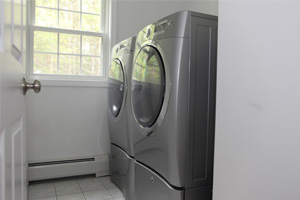
Make Sure Air Exhaust Vent Pipe Is Unrestricted
Blocked dryer vents are one of the leading causes of dryer fires. Lint can accumulate within the hoses and cause restriction and or complete blockage. The build-up restricts airflow, which may cause overheating and fire.
Never Run the Dryer When You Leave Home or Are Sleeping
Fires cannot be noticed or dealt with early if no one is home. In addition, if you are asleep, it may be too late before you realize that your house is on fire. For safety, consider running the dryer only when you are home and or awake. Keep a fire extinguisher in your laundry room for safety.
Hire A Professional
Dryer vent cleaning typically costs between $100 and $150. A cleaning can actually pay for itself through the improved efficiency (reduced drying times). You can purchase vent cleaning kits and do it yourself, but most store-bought kits are not as effective as ones used by professionals. Hiring an experienced professional will provide you with the assurance that the job was done correctly.
Report: NFPA's "Home Fires Involving Clothes Dryers and Washing Machines"
Author: Richard Campbell
Issued: March 2017
Report highlights
- In 2010-2014, U.S. fire departments responded to an estimated average of 15,970 home structure fires involving clothes dryers or washing machines each year.
- These fires caused annual averages of 13 civilian deaths, 444 civilian injuries, and $238 million in direct property damage.
- The vast majority of fires (92%) involved clothes dryers.
- The leading items first ignited in dryer fires were dust, fiber or lint (26% of total) and clothing (26%), while items first ignited in washing machine fires were part of the appliance itself, including wire or cable insulation (26%), appliance housing or casing (24%), and drive belt (11%).
If you need help or would like to learn more on how you can protect your home and family, please contact us.
Resoucres
https://www.safetyresources.com/october-is-fire-safety-month
https://www.firstalert.com/community/safety-corner/fire-prevention-month/
Get this free comprehensive guide for more information on "Is Your Home Making You Sick?
Learn more about Indoor air pollution, increased risk health, and how to determine if you are at risk.
Request your free guide now

Find Out What it Takes to Make it Right
Schedule your free estimate to start
the process for making your home healthy!
WHAT TO EXPECT FROM YOUR ESTIMATE
Ground Water Control
Sump Pump System
Sump Pump Backup Protection
Battery Backup Systems

Full Perimeter Drainage System
GrateDrain System

Full Wall Protection
Vapor Barrier

Moisture Control
Dehumidifiers

Maintenance & Upkeep
Sump Pump Cleaning & Service
Extremely professional and able to cater to our specific application. Same with the crew, who arrived on time and were in and out in probably three hours. The final result was an immaculate, well designed and highly efficient sump pump system. I am no longer haunted by the loud and obnoxious clank. The first couple of days I found myself checking on the system to ensure it was still operating properly because it was so quiet. Very satisfied and would strongly recommend.
Steve H.
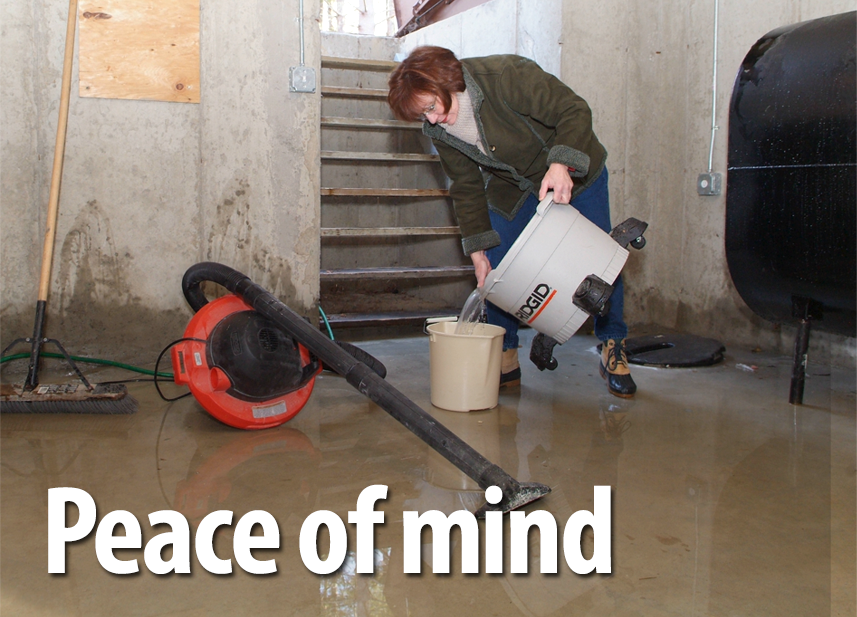
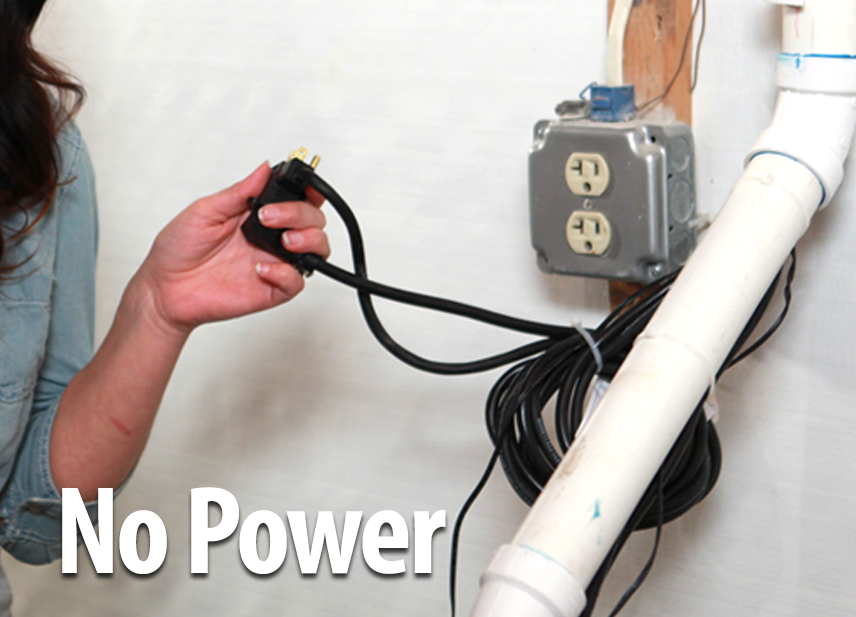
A couple of weeks ago I made a great investment in my house. I had my basement waterproofed. It saved me hours using my shop vac sucking up the water caused by the rain. Notice the 2 exit pipes, one is electric the other is battery powered so when the power goes out so does the water. — feeling thankful.
George S.
Sign Up For Your FREE Estimate